
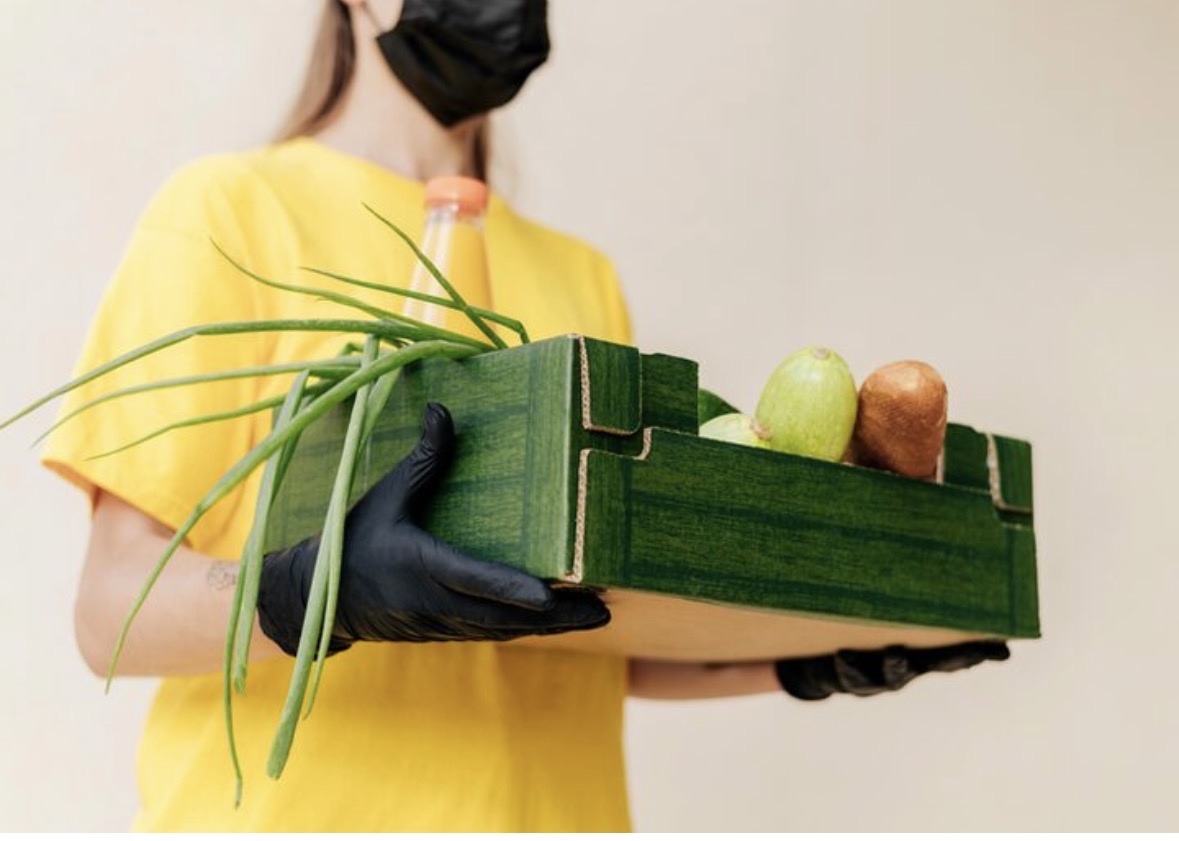
Produce packaging sits at the center of a very fragile supply chain. Fruits and vegetables are perishable, sensitive to temperature, and easily damaged during handling. At the same time, they need to move quickly from farms to distribution centers and then to retail shelves or directly to consumers.
Getting packaging right is not just about protection. It affects shelf life, food safety, transportation efficiency, and even how products are perceived by customers. A bruised apple or wilted greens don’t just represent waste, they impact brand trust and repeat purchases.
As supply chains become more complex and demand for fresh products increases, packaging has to do more than ever before.
The Unique Challenges of Fresh Produce
Unlike many other goods, produce is alive in a sense. It continues to respire after harvest, releasing moisture and gases that can affect quality. This makes packaging design more complicated.
Temperature control is critical. Too much heat accelerates spoilage, while too much cold can damage certain items. Packaging must support airflow and, in some cases, moisture control to maintain the right environment.
Handling is another challenge. Produce often moves through multiple touchpoints, from harvesting and packing to transportation and retail stocking. Each step increases the risk of bruising or contamination.
Because of these factors, produce packaging needs to balance protection, ventilation, and durability all at once.
The Role of Corrugated Boxes in Produce Packaging
Corrugated boxes are one of the most widely used solutions in produce packaging, and for good reason. They provide a strong yet lightweight structure that can handle stacking and transportation.
These boxes are designed to protect products while allowing for airflow. Ventilation holes are often built into the design to help regulate temperature and reduce moisture buildup.
Strength is a key consideration. Produce shipments are often stacked on pallets, sometimes several layers high. Corrugated boxes must maintain their integrity under compression to prevent collapse.
At the same time, they need to be cost-effective and easy to recycle. This balance of performance and sustainability makes corrugated boxes a core component of modern produce packaging systems.
Using Stretch Wrap for Stability and Protection
Once produce is packed into boxes and stacked on pallets, stability becomes the next priority. That’s where stretch wrap plays an important role.
Stretch wrap is used to secure loads, keeping boxes tightly bound together during transportation. This reduces shifting, which can lead to damage or uneven weight distribution.
It also provides a level of protection against dust and minor environmental exposure. While it’s not a primary barrier, it helps maintain the integrity of the load as it moves through the supply chain.
Proper application matters. Too little wrap can lead to instability, while too much can restrict airflow, which is not ideal for fresh produce. Finding the right balance is key.
Ventilation and Moisture Control
One of the most important aspects of produce packaging is managing airflow and moisture. Without proper ventilation, heat and humidity can build up inside the package, accelerating spoilage.
Packaging designs often include strategically placed vents to allow air to circulate. This helps maintain consistent temperatures and reduces condensation.
Moisture control is equally important. Excess moisture can lead to mold and decay, while too little can cause dehydration. Some packaging solutions include absorbent materials or liners to help regulate moisture levels.
These features are especially important for products with high respiration rates, such as leafy greens and berries.
Durability in Cold Chain Logistics
Many types of produce rely on cold chain logistics to maintain freshness. This means packaging must perform well in refrigerated environments.
Cold temperatures can affect material strength, especially for paper-based products. Corrugated boxes used in these conditions are often treated or designed to resist moisture and maintain their structure.
Durability is critical during long transit times. If packaging weakens or fails, it can lead to product loss and safety concerns.
This is where material selection and design come together. Packaging must be strong enough to handle both the physical and environmental demands of the journey.
The Growing Role of Inudstrial Packaging Systems
As produce supply chains scale, companies are looking at packaging more strategically. Inudstrial packaging systems are becoming more common, integrating materials, processes, and logistics into a single approach.
These systems focus on efficiency and consistency. They standardize packaging formats, improve palletization, and streamline handling across the supply chain.
For example, reusable containers are being used in some operations to reduce waste and improve durability. Automated packing systems are also being integrated to increase speed and reduce labor costs.
Inudstrial packaging is not just about individual materials, it’s about how everything works together to support large-scale operations.
Sustainability and Consumer Expectations
Sustainability is a major focus in produce packaging. Consumers are increasingly aware of packaging waste and expect companies to use environmentally responsible solutions.
Corrugated materials are widely used because they are recyclable and often made from recycled content. There is also growing interest in compostable and biodegradable packaging options.
At the same time, sustainability cannot come at the expense of performance. If packaging fails and produce is wasted, the environmental impact is often greater than the packaging itself.
The goal is to reduce waste across the entire system, not just in one area.
Branding and Presentation
Packaging also plays a role in how produce is presented to customers. Even in bulk shipments, the condition of the packaging can influence perception.
Clean, well-designed packaging helps maintain product quality and supports branding efforts. For retail-ready packaging, appearance becomes even more important.
Labels, printing, and overall design can communicate freshness, origin, and quality. While protection is the primary function, presentation should not be overlooked.
Cost Efficiency and Waste Reduction
Produce packaging needs to be cost-effective, especially given the high volumes involved. Small savings per unit can add up quickly across large shipments.
At the same time, reducing waste is a priority. This includes both packaging waste and product loss. Efficient packaging design can help minimize both.
Optimizing box sizes, reducing excess materials, and improving load stability all contribute to better cost performance.
It’s a constant balancing act between cost, protection, and sustainability.
Final Thoughts
Produce packaging is more complex than it might seem at first. It requires careful consideration of product characteristics, environmental conditions, and supply chain dynamics.
From corrugated boxes that provide structure, to stretch wrap that secures loads, to broader inudstrial packaging systems that drive efficiency, every element plays a role.
When done right, packaging helps maintain freshness, reduce waste, and deliver high-quality products to customers. When done poorly, it creates problems at every stage of the process.
As demand for fresh produce continues to grow, the importance of thoughtful, well-designed packaging will only increase. It’s not just about moving products, it’s about preserving quality from the moment produce leaves the field to the moment it reaches the consumer.